Understand a change
Weak airflow, uneven temperatures or a new sound are observations worth recording. Describe what changed and when it happens without trying to identify a fault from a symptom alone.
Explore repair topics →OKLAHOMA CITY · COMFORT NOTES
Explore cooling, heating and indoor air topics in one place. Use these guides to understand your system and prepare better questions about your next step.
Explore the comfort journalA clearer view of the systems behind everyday comfort.
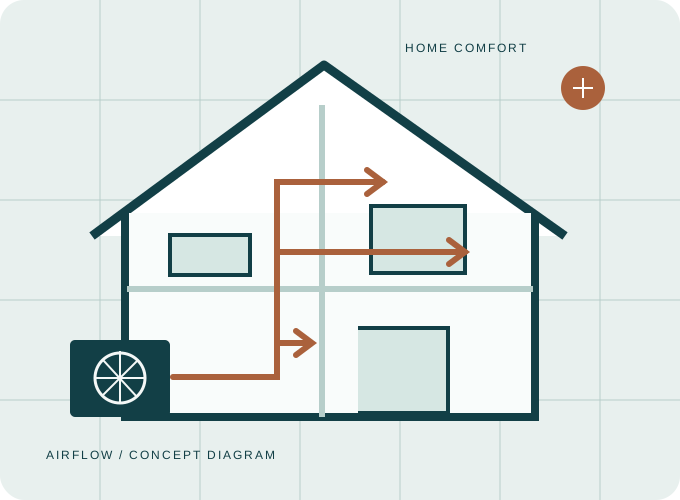
Think room by room. Explore cooling topics for living spaces, everyday controls and the questions that come with changing comfort needs.
Residential AC →02 / AT WORKStart with how the building is used. Occupancy, operating hours and access to equipment help frame a practical conversation about a commercial system.
Commercial AC →FIND YOUR STARTING POINT
A symptom, a routine check and a new installation lead to different questions. Choose the subject closest to your situation, then use the articles as background for a discussion about your own equipment.
Weak airflow, uneven temperatures or a new sound are observations worth recording. Describe what changed and when it happens without trying to identify a fault from a symptom alone.
Explore repair topics →Maintenance begins with knowing which equipment you have. Keep the manual and service notes together, and ask which checks and routine tasks apply to that system.
Read about maintenance →Equipment is one part of the picture. Ducts, controls, the building and the scope of installation also deserve attention when you compare proposals for a new system.
Review installation topics →BEFORE THE CONVERSATION
A little preparation makes technical explanations easier to follow. These three steps help you discuss the work, whether you are researching cooling or reading about heating repair.
See the services library →Write down affected rooms, thermostat settings and when the change began. Mention recent changes to the building or how it is used.
Have equipment details and previous paperwork available. Ask how the findings relate to the whole system, including airflow and controls.
Request a clear scope, explanation of options and guidance on what follows. Keep written information so you can review it at your own pace.
BEYOND THE THERMOSTAT
Temperature is only one comfort observation. Filtration, ventilation and humidity are separate topics, and changes should be considered in relation to the equipment and building already in place. Start with the concern you notice, then ask which assessment or adjustment is appropriate.
Explore indoor air quality →QUESTIONS, MADE CLEAR
Start with a clear description of the problem. Note the thermostat setting, which rooms feel different, and when the issue began. The repair section introduces cooling topics so you can organize questions before discussing an inspection and any proposed work.
Record what you can observe safely: unusual sounds, changes in airflow, water near equipment, or a system that stops repeatedly. Keep model information and previous service paperwork available if you have them. Leave electrical panels and refrigerant components to a qualified technician.
Repair addresses a specific fault in the existing system; replacement involves selecting and installing equipment. Ask for an explanation of the diagnosis, the scope of each option, and any limitations. A useful comparison considers equipment condition and your building rather than a single headline number.
Yes. A home and a commercial space may have different occupancy patterns, controls, ventilation needs, and access arrangements. Describe how the building is used and when discomfort occurs. Commercial planning may also require coordination with tenants, building managers, or others responsible for the property.
Gather the equipment manual and any previous service notes, and make a list of changes you have noticed since the last visit. Ask which checks apply to your particular system and how the findings will be explained. Follow manufacturer instructions for routine tasks such as filter replacement.
Ask how equipment selection relates to the building, existing ducts, controls, and installation requirements. Clarify what the proposed work includes, what happens to the old equipment, and which documentation you will receive. A written scope makes it easier to compare options and understand the next steps.
Indoor air topics include filtration, ventilation, humidity, and how air moves through occupied rooms. Start with the specific issue you notice and the system already in place. Ask how a proposed change would work with that system; avoid assuming that one accessory resolves every indoor air concern.
No. Articles explain terminology and help you prepare questions, but they cannot assess equipment in your building. A diagnosis requires an appropriate inspection. Use the reading sections as background, and ask a service professional to explain findings and recommended work for your particular system.
KEEP EXPLORING
Browse the journal for background reading, or visit Other for the wider archive.